
CATEGORIES

CONTACT US
ADDRESS:
Head Office: No. 439 Jinglian Road, Minhang District, Shanghai,China, 201108
PHONE:Tel: +86 21 51096910
EMAIL:
Email: info@welsobio.com

Inquiry
PCR Thermal Cycler


product details
Optimize PCR Conditions and Run Routine Assays on One Instrument
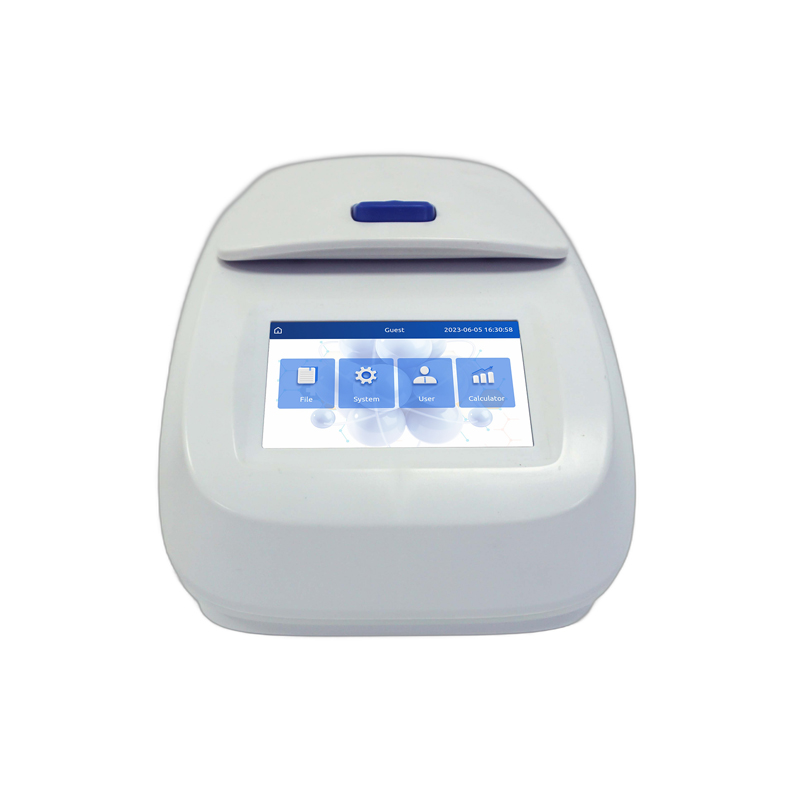
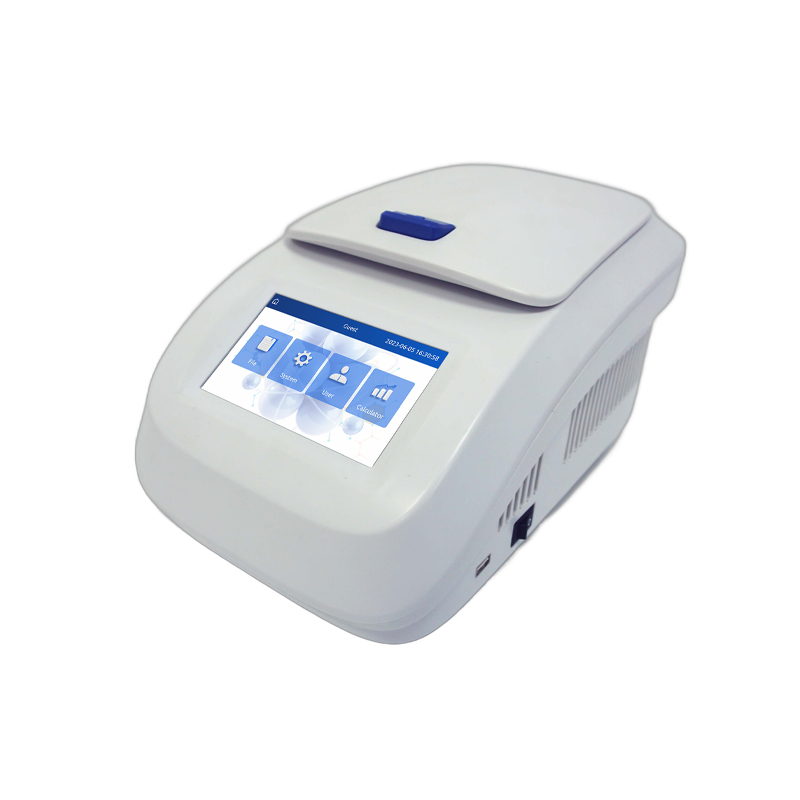
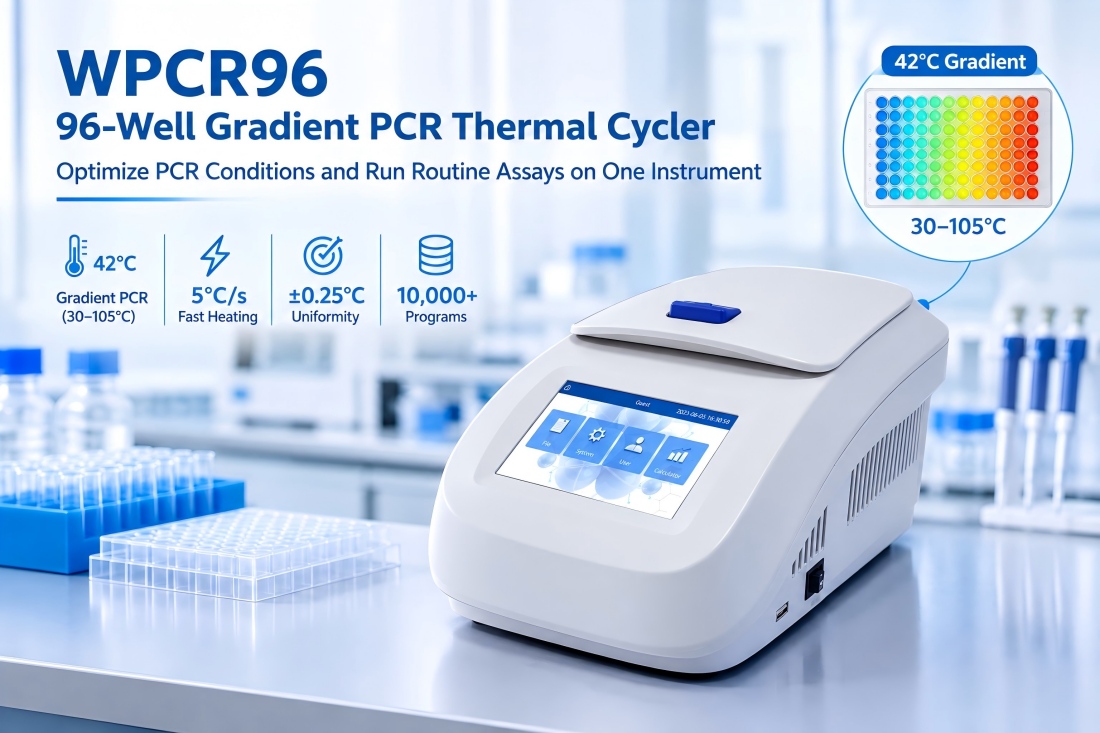
The WPCR96 is a 96-well gradient PCR thermal cycler designed for laboratories that need both PCR method development and routine amplification in a single instrument.
Its integrated temperature gradient function allows multiple annealing temperatures to be evaluated across one run, helping simplify primer optimization and assay development. Once suitable conditions are established, validated protocols can be stored and reused for routine PCR testing.
Designed for molecular biology, clinical and diagnostic testing, food safety, and environmental screening, the WPCR96 combines flexible PCR programming, precise temperature control, compatibility with common PCR consumables, and a compact benchtop design for everyday laboratory use.
Product Features
Gradient PCR for Assay Optimization
A temperature gradient of up to 42 °C supports efficient annealing temperature optimization for new primers and PCR protocols. Multiple temperature conditions can be evaluated simultaneously across a single 96-well block, reducing the need for repeated optimization runs.
Fast and Precise Thermal Performance
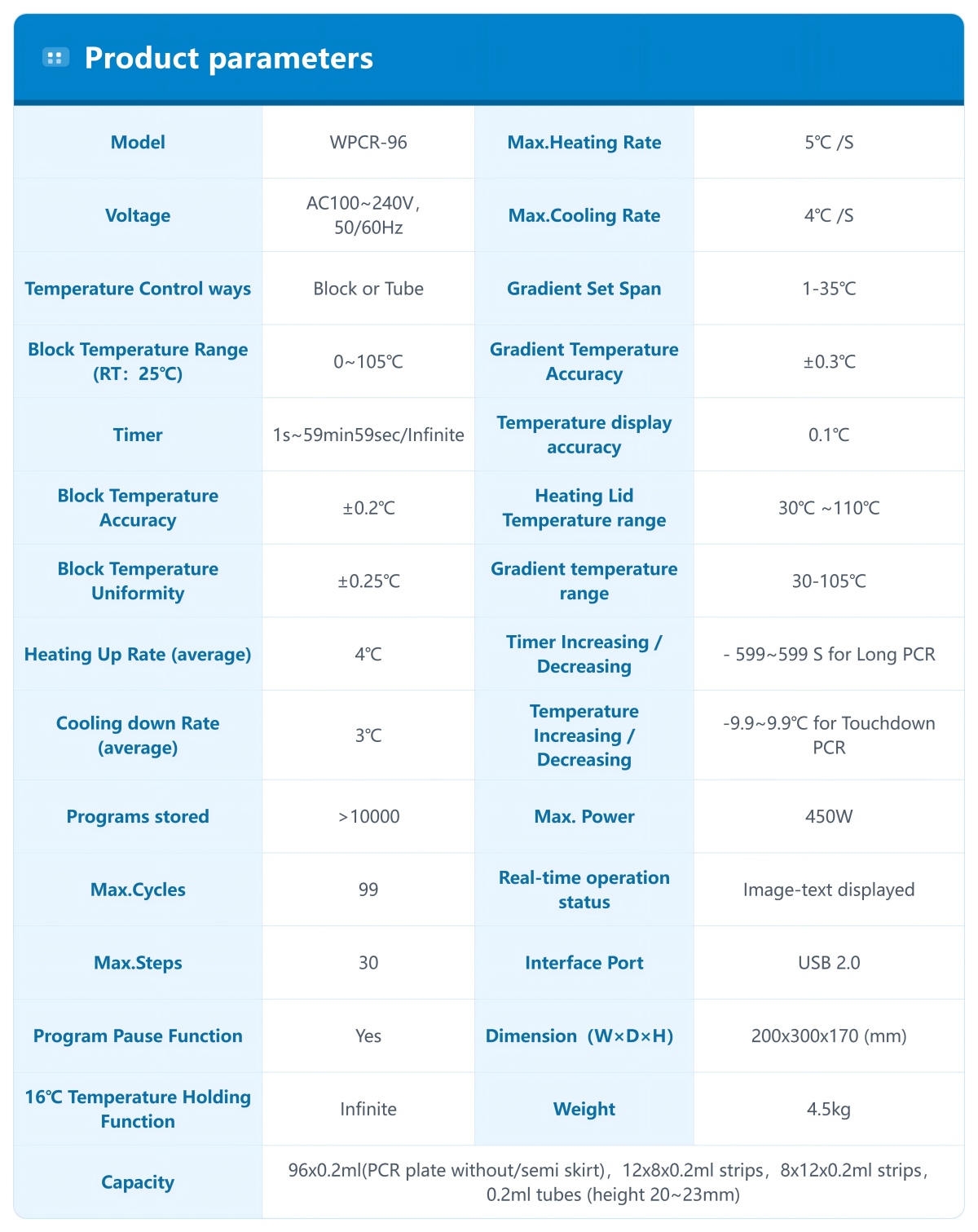
The WPCR96 provides heating rates of up to 5 °C/s and cooling rates of up to 4.5 °C/s. Thermoelectric Peltier technology with PID temperature control supports stable and controlled heating and cooling throughout the PCR program.
Compatible with Common PCR Consumables
The thermal block supports 0.2 mL single PCR tubes, 8-tube strips, 12-tube strips, and standard 96-well PCR plates. Full-skirt PCR plates are not compatible with the block.
Users can select block temperature control or calculated tube temperature control according to different experimental requirements and established PCR protocols.
Flexible Programming for Advanced PCR Protocols
Each program supports up to 30 steps and 99 cycles. Per-cycle temperature increment adjustment from −9.9 to +9.9 °C supports applications such as touchdown PCR, while per-cycle time increment adjustment from −599 to +599 seconds provides additional flexibility for specialized PCR methods, including long-range PCR.
Designed for Continuous Laboratory Operation
The WPCR96 supports continuous laboratory operation, program pause, and extended temperature holding when required. These functions provide additional flexibility for laboratories running long protocols or managing workflows outside normal working hours.
Quiet Benchtop Operation
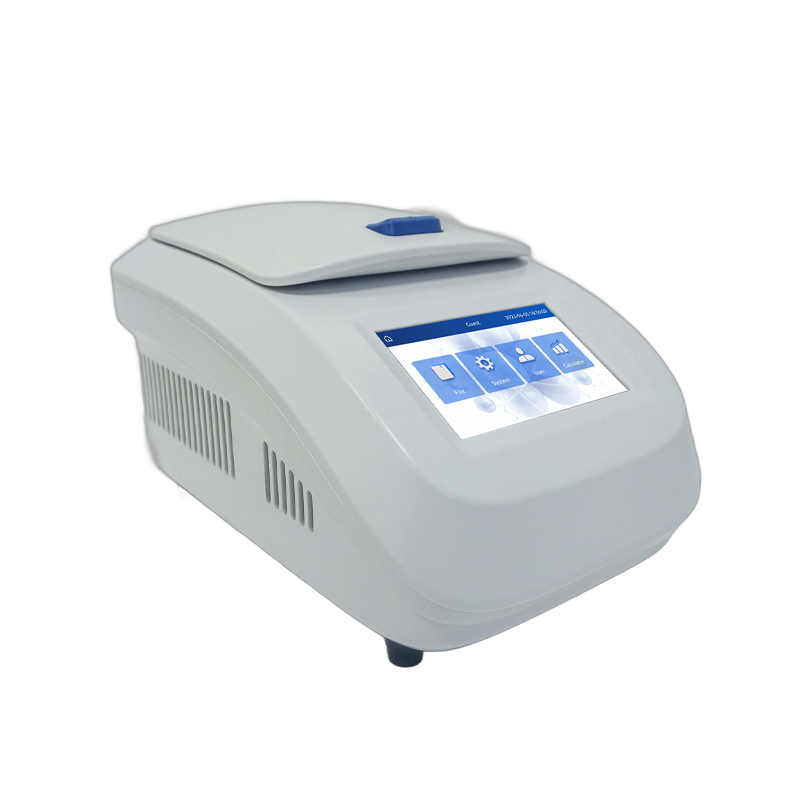
A high-performance axial fan supports efficient heat dissipation while helping maintain a quieter working environment. The thermoelectric cooling design also eliminates the need for a compressor-based refrigeration system.
Simple Program and Data Management
The instrument features a 5-inch 800 × 480 capacitive touchscreen with graphical run information for convenient program monitoring and operation.
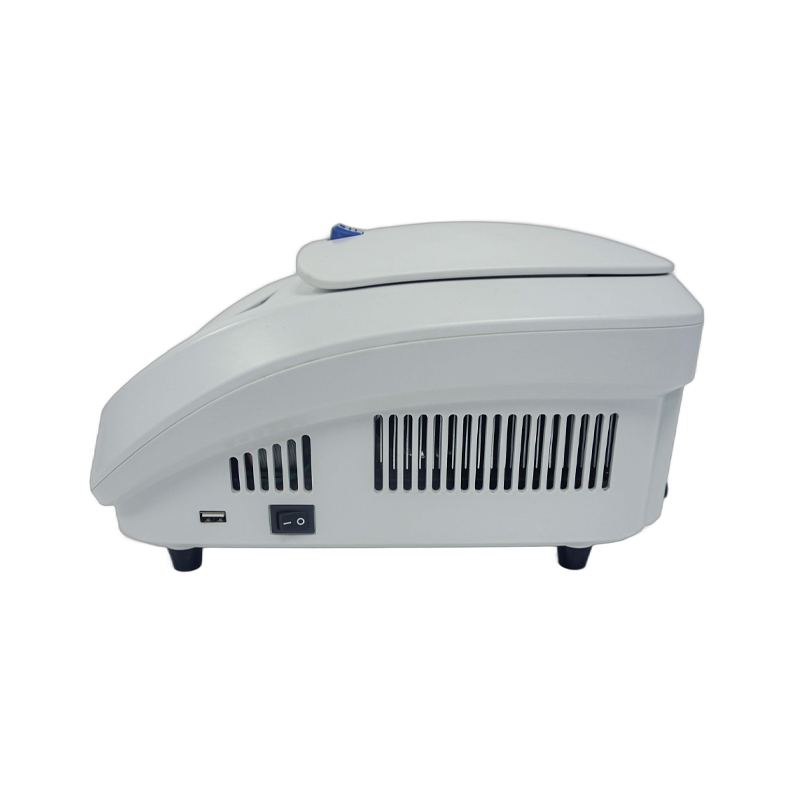
With storage for more than 10,000 program files, frequently used PCR protocols can be stored directly on the instrument. USB 2.0 connectivity allows programs and relevant run information to be transferred to a USB flash drive for backup and laboratory documentation.
Compact Design for Modern Laboratories
With universal AC 100–240 V, 50/60 Hz power compatibility, a maximum power consumption of 600 W, a weight of approximately 4.5 kg, and compact dimensions of 200 × 300 × 170 mm, the WPCR96 is suitable for laboratories where bench space and equipment flexibility are important.
Built Around Real PCR Workflows
Will It Fit the Work I Actually Do?
The WPCR96 is designed to support a broad range of PCR workflows, from routine amplification to assay development and protocol optimization.
Its compatibility with multiple commonly used tube and plate formats allows laboratories to work with familiar PCR consumables without changing their existing workflow. The choice between block temperature control and calculated tube temperature control can also be useful when transferring established or validated PCR methods to a new thermal cycler.
This makes the instrument suitable for laboratories working in molecular biology, clinical and diagnostic testing, food safety, and environmental screening.
Will It Help Reduce PCR Optimization Time?
PCR optimization often requires testing different annealing temperatures before a new primer set or assay can be used routinely. The integrated gradient function allows different temperature conditions to be evaluated within the same experiment rather than requiring multiple separate PCR runs.
Combined with fast heating and cooling performance, the WPCR96 can help laboratories complete routine thermal cycling efficiently while providing the flexibility needed for method development.
This combination is particularly useful for laboratories that regularly switch between established PCR protocols and newly developed assays.
Can I Rely on Temperature Consistency Across the Block?
Consistent temperature control is essential when comparing samples across a 96-well PCR plate.
The WPCR96 provides ±0.2 °C temperature accuracy, ±0.25 °C block temperature uniformity, and ±0.3 °C gradient uniformity. These specifications help maintain controlled and consistent thermal conditions across the block during routine PCR and gradient optimization experiments.
The heated lid operates from 30–110 °C and is designed to help reduce condensation on tube caps or PCR plates during thermal cycling. This helps minimize sample evaporation and supports more consistent reaction conditions.
What About Programs, Data, and Everyday Laboratory Use?
Laboratories often run the same validated PCR methods repeatedly. The WPCR96 provides large internal program storage, allowing frequently used protocols to remain available directly on the instrument.
The touchscreen interface provides a clear overview of program operation, while USB connectivity supports data and program transfer for laboratory documentation and backup.
Its compact footprint and universal power input also make the instrument easy to integrate into different laboratory environments without requiring significant bench space or specialized electrical installation.
Related recommendations





Email: info@welsobio.com
Tel: +86 21 51096910
Head Office: No. 439 Jinglian Road, Minhang District, Shanghai,China, 201108
Branch: 1-1009, National Industrial Design Park, No. 599 Jianzhu Road, Binhu, Wuxi , Jiangsu, China, 214062

Follow official account