
As laboratory centrifugation continues to move toward higher capacity, greater efficiency, and improved operational safety, centrifuge rotor technology is becoming increasingly important. The rotor is not simply a component that holds samples; its material, structural design, weight, and mechanical performance directly influence acceleration, deceleration, energy consumption, capacity, and long-term reliability.
To further improve the performance and flexibility of its centrifuge systems, Welso is progressively developing and introducing carbon fiber rotor technology across its centrifuge product range. This upgrade is particularly valuable for horizontal rotors, where the rotor must operate together with buckets and sample containers and therefore carries a relatively high rotating mass.
The transition from conventional aluminum alloy rotors to advanced carbon fiber structures is designed to give laboratories more options when selecting centrifugation solutions, especially for applications requiring higher capacity, frequent operation, and improved resistance to demanding laboratory environments.
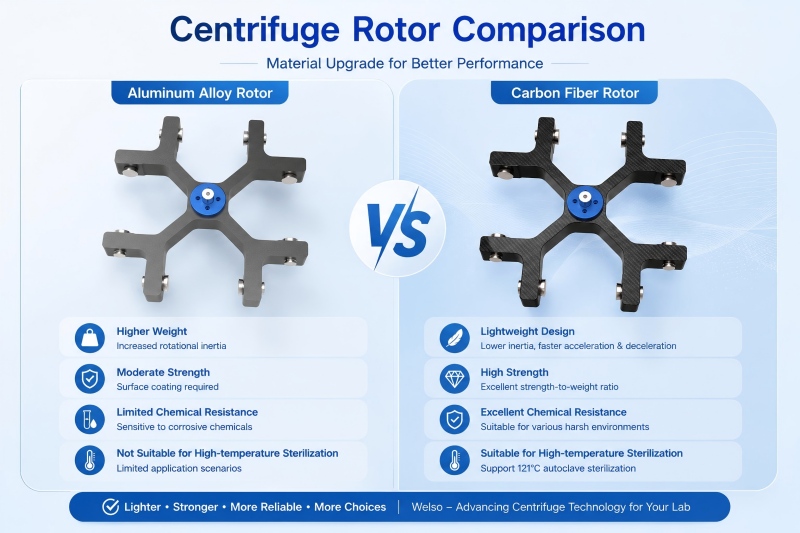
Why Carbon Fiber Is an Important Upgrade for Centrifuge Rotors
Traditional aluminum alloy has been widely used in centrifuge rotor manufacturing because of its relatively low cost, good machinability, and established manufacturing processes. However, as centrifuges become faster and laboratories demand larger sample capacities, rotor weight and material performance become increasingly significant.
Carbon fiber reinforced structures offer a combination of low density, high specific strength, excellent fatigue resistance, and good chemical resistance. These characteristics make carbon fiber an attractive material for next-generation laboratory centrifuge rotors.
For Welso, the goal of this material upgrade is not simply to replace one material with another. It is to create centrifuge systems with better overall performance and provide users with a wider range of rotor configurations for different laboratory applications.
1. Lower Rotor Weight for Faster Acceleration and Deceleration
One of the most noticeable advantages of carbon fiber is its low density. Carbon fiber composite structures can achieve a significantly lower weight than comparable aluminum alloy components while maintaining the mechanical strength required for centrifugation.
This advantage becomes even more meaningful in horizontal centrifuge rotors.
Unlike fixed-angle rotors, horizontal rotors normally operate with multiple buckets. During centrifugation, the drive system must accelerate not only the rotor itself but also the buckets and sample tubes. Reducing the weight of the rotating assembly can therefore help reduce rotational inertia.
A lighter rotor can contribute to:
● Faster acceleration and braking
● Lower mechanical load on the drive system
● More responsive centrifuge operation
● Improved efficiency during repeated centrifugation cycles
● Greater potential for high-throughput laboratory workflows
For laboratories that perform centrifugation frequently throughout the day, these improvements can translate into a more efficient overall workflow.
2. Greater Potential for High-Capacity Centrifugation
Rotor material also affects the possibilities of centrifuge structural design.
Carbon fiber composites provide a high strength-to-weight ratio, allowing engineers to pursue lighter rotor structures without simply increasing the amount of material used. This creates additional design flexibility when balancing rotor weight, mechanical strength, bucket capacity, and operating speed.
For horizontal centrifuges, this is particularly valuable because users often need to balance sample capacity and centrifugal performance.
As Welso continues to optimize its carbon fiber rotor technology, future horizontal rotor configurations can be developed around different combinations of capacity and rotational speed.
For example, where existing large-capacity configurations operate around 4,000 rpm, future Welso solutions may provide options around 4,500 rpm or 5,000 rpm, depending on the specific rotor structure, bucket configuration, centrifuge platform, and validated operating conditions.
This means customers will have more choices instead of being limited to a single combination of speed and capacity.
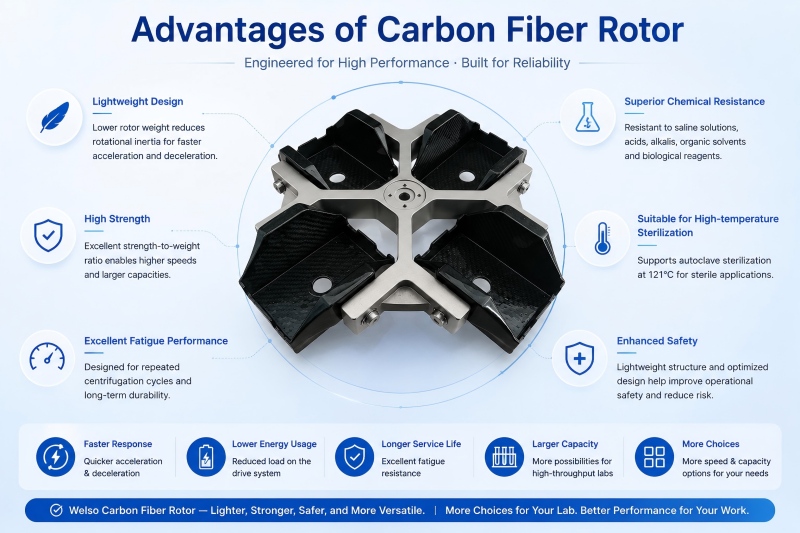
3. Improved Resistance to Laboratory Chemicals
Centrifuge rotors are frequently exposed to laboratory solutions and sample residues. Depending on the application, these may include saline solutions, buffers, biological reagents, extraction solutions, and other chemicals.
Aluminum alloy rotors normally rely on protective surface treatments to improve corrosion resistance. Once the protective surface is damaged or compromised, the underlying metal can become more susceptible to chemical attack.
Carbon fiber composite structures, when properly engineered with a suitable resin system and protective surface, can provide excellent resistance to many commonly encountered laboratory chemicals.
This can be particularly useful for applications involving:
● PBS and other biological buffers
● Sodium chloride solutions
● Cell culture-related samples
● Protein and nucleic acid preparation
● Biological extraction procedures
● Certain acidic or alkaline laboratory solutions
● Organic reagent exposure
For laboratories where rotors are frequently used with chemically demanding samples, material selection can therefore have a direct impact on long-term rotor maintenance.
4. Excellent Fatigue Performance for Repeated Operation
Centrifuge rotors experience repeated mechanical stress during acceleration, high-speed operation, and deceleration. A rotor used several times every day may undergo thousands of operating cycles over its service life.
Carbon fiber composites are well known for their excellent fatigue characteristics when the fiber orientation, resin system, and structural design are properly engineered.
This gives carbon fiber an important advantage for applications involving frequent centrifuge operation.
However, rotor service life should never be determined by material alone. Actual operating life depends on factors such as rotor design, manufacturing quality, operating speed, chemical exposure, maintenance, inspection, and usage conditions.
Welso therefore focuses not only on the material itself but also on structural engineering, manufacturing quality, safety validation, and practical operating requirements.
5. Safety Through Lightweight Structural Design
Safety is one of the most important considerations in centrifuge engineering.
A rotating rotor stores substantial kinetic energy, particularly at high rotational speeds. Rotor mass is therefore an important factor in the overall mechanical system.
The lower density of carbon fiber provides an opportunity to reduce the mass of the rotating assembly while maintaining the structural properties required for centrifugation.
In addition, composite materials have different failure characteristics from conventional metals. With appropriate structural design and protective containment, this can contribute to improved system-level safety.
For Welso, rotor safety is not based on material selection alone. It is considered together with rotor geometry, bucket design, locking mechanisms, overspeed protection, centrifuge chamber construction, and other safety systems.
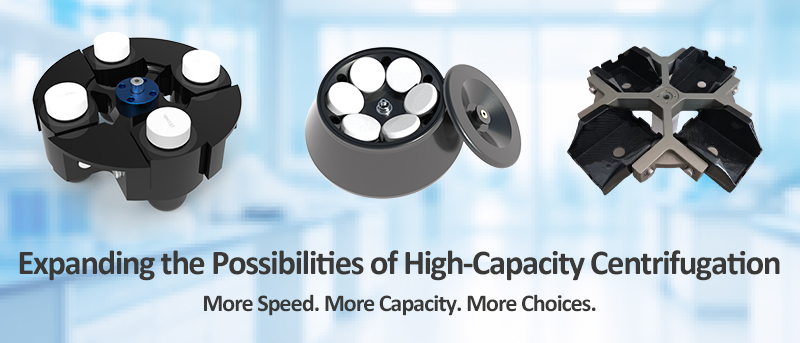
6. Suitable for Sterilization Requirements
Laboratories working with biological samples may require rotor components and buckets to undergo regular cleaning or sterilization.
Carbon fiber composite components can be engineered for specific temperature and sterilization conditions. Depending on the resin system and validated design, certain carbon fiber rotor components can support autoclave sterilization at 121°C.
This makes appropriately designed carbon fiber rotor systems attractive for applications in cell biology, microbiology, molecular biology, and other laboratories where cleanliness and sterilization are important.
Users should always follow the specific sterilization temperature, pressure, time, and maintenance requirements provided for the individual rotor and bucket configuration.
Welso's Next Step: More Rotor Choices for Different Laboratory Needs
The adoption of carbon fiber technology represents an important direction in Welso's ongoing centrifuge development.
Welso plans to progressively upgrade selected centrifuge rotor configurations and introduce more carbon fiber solutions where the technology can provide meaningful performance benefits.
The objective is not simply to make the rotor lighter. The broader goal is to create better-balanced centrifuge systems with greater flexibility in speed, capacity, efficiency, and application compatibility.
Future rotor configurations may provide laboratories with different combinations such as:
Higher capacity + moderate speed
For routine sample processing where throughput is the priority.
Large capacity + higher speed
For laboratories that need both substantial sample volume and stronger centrifugal performance.
Lightweight rotor + rapid acceleration
For workflows involving frequent centrifugation cycles and repeated start-stop operation.
This approach allows users to select a centrifuge configuration based on their actual experimental requirements rather than adapting their workflow to a fixed rotor specification.
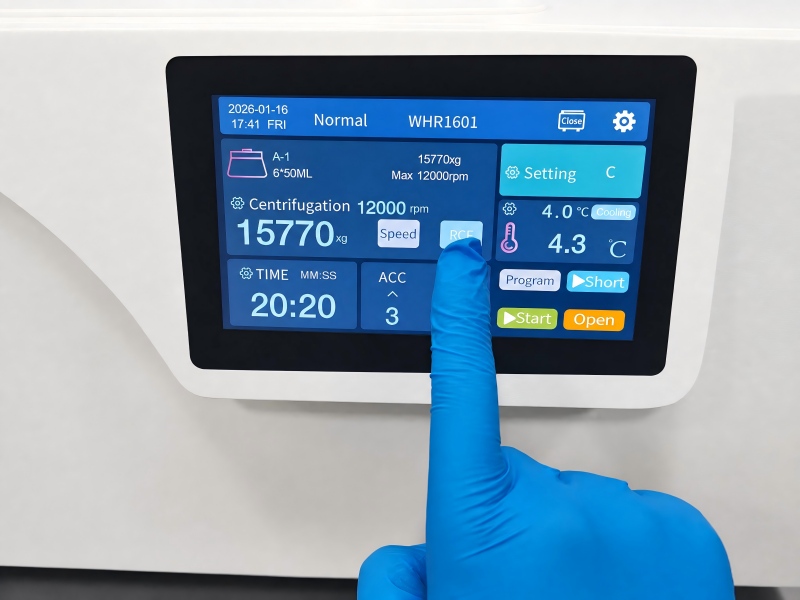
From Material Upgrade to Centrifuge Performance Upgrade
The move from aluminum alloy toward carbon fiber is more than a material change. It represents a broader evolution in centrifuge rotor design.
A lightweight rotor can reduce rotational inertia. Improved material performance can create greater design flexibility. Better chemical resistance can support demanding laboratory applications. Strong fatigue characteristics can benefit systems subjected to repeated operating cycles.
When these advantages are integrated into the complete centrifuge platform, they create new possibilities for high-capacity, high-performance laboratory centrifugation.
Welso will continue to optimize its centrifuge rotor technology and expand the range of available configurations. As carbon fiber rotor solutions become more widely integrated into the product portfolio, customers can expect more choices in rotor capacity and operating speed, together with improved flexibility for different laboratory workflows.
Welso's carbon fiber rotor upgrade is designed with one clear objective: to give laboratories more efficient, reliable, and flexible centrifugation solutions for the next generation of sample processing.
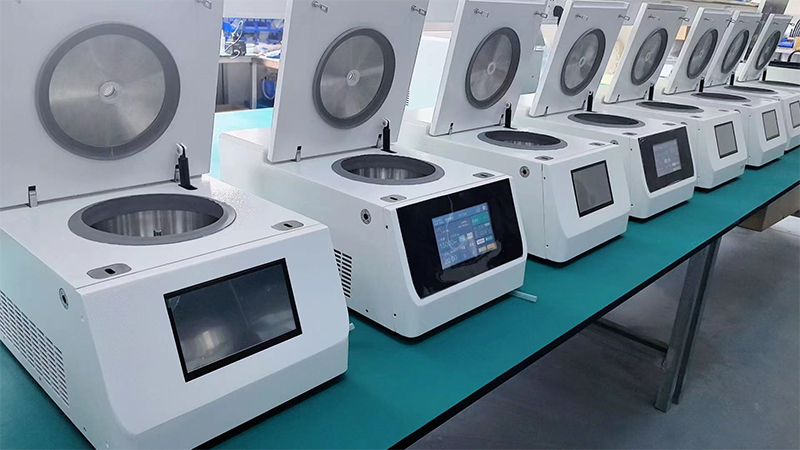
Rotor technology plays a critical role in determining the performance and usability of a laboratory centrifuge. Compared with conventional aluminum alloy structures, properly engineered carbon fiber composite rotors offer significant potential in weight reduction, fatigue performance, chemical resistance, and structural optimization.
For horizontal centrifuge applications, where buckets and sample loads add considerable rotational inertia, these benefits become particularly valuable.
Welso is therefore moving toward a new generation of carbon fiber centrifuge rotors, with future designs focused on providing more combinations of rotor capacity and operating speed.
Rather than offering a single solution for every application, Welso aims to provide laboratories with more choices, greater flexibility, and better-performing centrifuge configurations as its rotor technology continues to evolve.



Email: info@welsobio.com
Tel: +86 21 51096910
Head Office: No. 439 Jinglian Road, Minhang District, Shanghai,China, 201108
Branch: 1-1009, National Industrial Design Park, No. 599 Jianzhu Road, Binhu, Wuxi , Jiangsu, China, 214062

Follow official account