
Microwave digestion has become one of the most reliable sample preparation methods in elemental analysis, food testing, environmental monitoring, and materials research. To help users operate the Welso microwave digestion system more safely and efficiently, we have summarized key issues often overlooked in practical applications and provided professional recommendations.
Can weighing paper be placed in the inner vessel?
Weighing paper should not be placed directly into the inner vessel along with the sample. Its mass and material may generate additional pressure during heating, increasing digestion risks and compromising system stability.
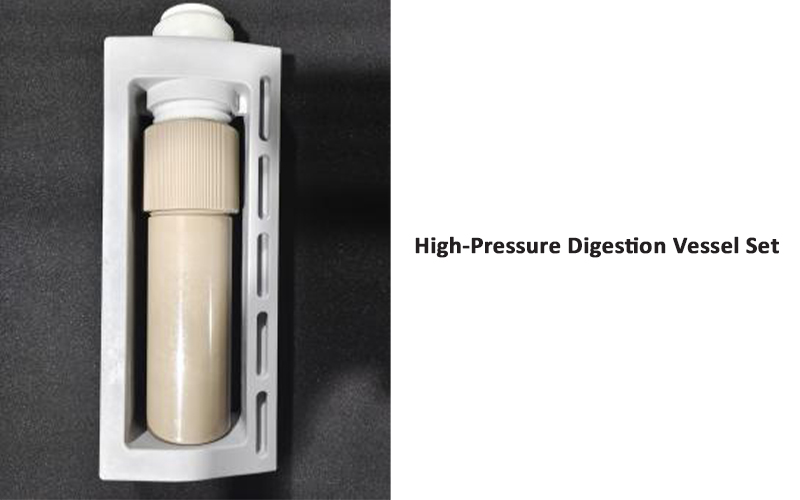
What should be noted when cleaning digestion vessels daily?
Sample cups and sealing plugs can be soaked in an acid bath for decontamination. The outer sleeve should be rinsed with clean water and dried thoroughly before reuse. Keeping components clean helps reduce blank interference.
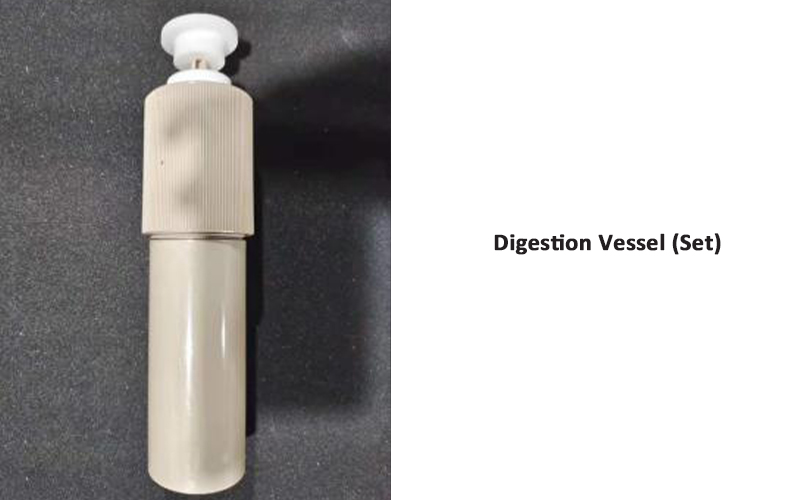
Can I start the next digestion cycle without opening the vessel after the previous run?
This is not recommended. After each digestion, the vessel should be opened to release pressure, and the acid volume should be checked. If the acid is insufficient, it must be replenished before starting the second-stage digestion.
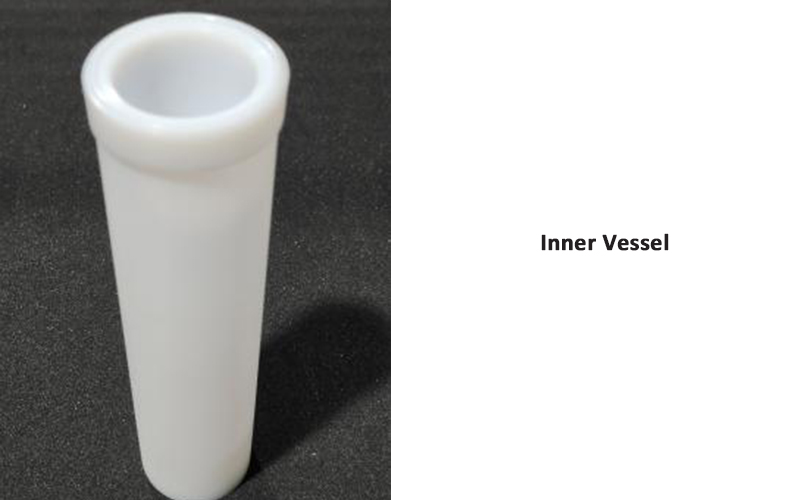
How should stains on the digestion vessel be handled?
If stains appear on the outer vessel, rinse with clean water and wipe with a soft cloth, then allow it to air-dry. A clean outer vessel improves heat dissipation and overall stability.
If digestion is incomplete, should the temperature be increased?
This depends on the sample type. Incomplete digestion may result from improper temperature settings, an unsuitable acid system, or excessive sample mass. Parameters and acid composition should be optimized according to sample characteristics.
Does a yellow and transparent solution indicate complete digestion?
A yellow, transparent solution indicates that most organic matter has been oxidized, but not necessarily that digestion is fully complete. However, this condition is usually sufficient for subsequent instrumental analysis.
If no venting sound is heard after soil digestion, is it leakage?
Not necessarily. Some samples — especially those with low organic content or small sample amounts — may not generate high pressure during digestion and therefore produce no audible venting. As long as acid volume has not significantly reduced, this is typically normal, not leakage.
How can I determine whether the vessel has released pressure?
If no gas is released when opening the vessel or if the internal liquid volume has visibly decreased, the vessel’s self-protection venting may have been triggered. A ruptured safety membrane also indicates that the pressure reached the release threshold.
Why do only a few vessels trigger pressure-release alarms when all samples have identical sample mass?
If the sample is near the vessel’s pressure limit, some vessels may trigger protection earlier. Minor variations in heat and pressure distribution among vessels are normal. Should an alarm occur, it is recommended to contact Welso technical support for verification.
Can the digestion vessels operate safely at 230°C?
Yes. As long as the operating pressure does not exceed the vessel’s rated limit, digestion at 230°C is permissible. Welso vessels are made from high-temperature, high-pressure–resistant materials suitable for most high-temperature digestion tasks.
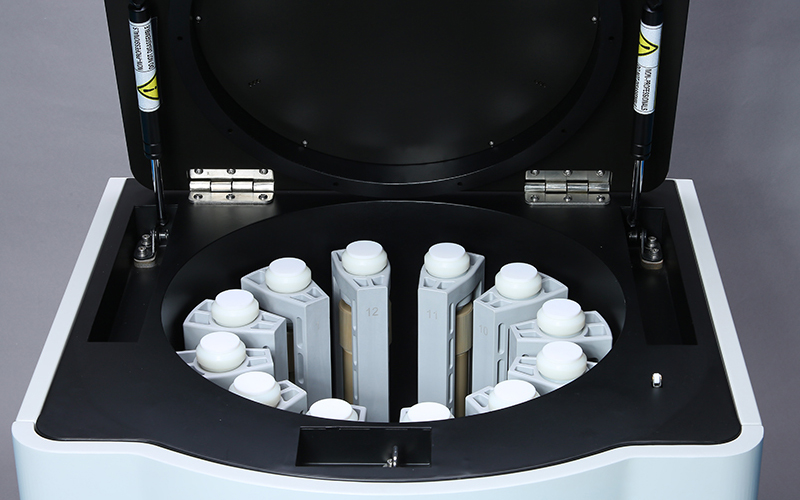
How to determine the endpoint during perchloric acid fuming of soil samples when large fumes appear?
After complete digestion, soil solutions appear dark. Near the fuming endpoint, the solution becomes a more transparent yellow-green. A flashlight can help improve visibility for more accurate endpoint determination.
What happens if fuming (acid evaporation) is omitted?
Excess residual acid may cause analytical deviations, particularly for certain sensitive elements. Highly acidic solutions may also corrode internal components of ICP, AAS, and other analytical instruments.
How to troubleshoot abnormally high spike recovery?
High recovery rates usually indicate external contamination or matrix effects. Check reagent purity, container cleanliness, and blank values step by step.
Does residual water vapor on the vessel lid affect analysis?
The impact is minimal. Rinsing the lid’s inner wall with a small amount of pure water before sample transfer ensures accurate final solution volume.
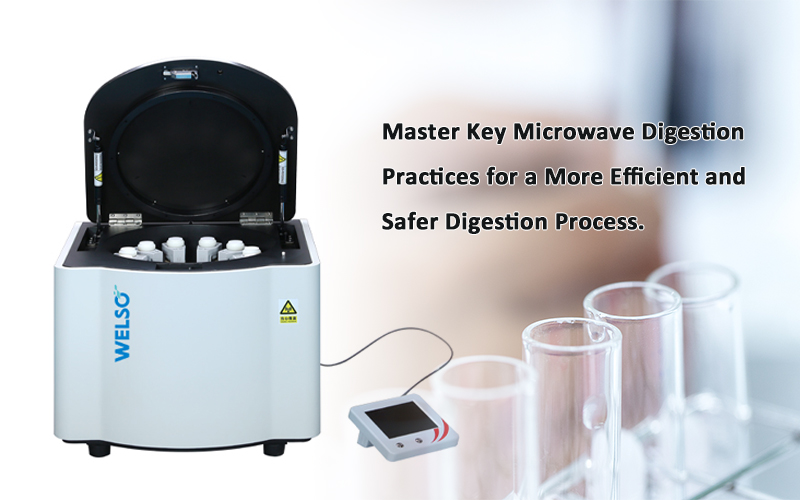
Welso microwave digestion systems are designed with user safety and operational convenience in mind. However, proper digestion procedures and routine maintenance are equally essential. Understanding typical phenomena during digestion and how to respond to them not only improves experimental success rates but also extends equipment lifespan. Welso welcomes users to contact our technical support team for timely and professional assistance whenever questions arise during operation.



Email: info@welsobio.com
Tel: +86 21 51096910
Head Office: No. 439 Jinglian Road, Minhang District, Shanghai,China, 201108
Branch: 1-1009, National Industrial Design Park, No. 599 Jianzhu Road, Binhu, Wuxi , Jiangsu, China, 214062

Follow official account